The History of the Georgia Avenue Corridor in Washington DC

Georgia Avenue is one of Washington DC’s most important and historic corridors. It stretches from the heart of the city northward into Maryland, serving as a vital artery for residents, businesses, and commuters. I’ve always been fascinated by how this street has evolved over time, reflecting the city’s growth, culture, and challenges. Let me take you through the story of Georgia Avenue, from its early days to the vibrant corridor it is today.

Early Beginnings and Development
Georgia Avenue started as a simple road connecting downtown Washington DC to the northern suburbs. In the 19th century, it was known as 7th Street Extended. The area was mostly rural, with farms and open land. As the city expanded, this road became a key route for people traveling between the city and nearby towns.
By the early 1900s, streetcars ran along Georgia Avenue, making it easier for people to commute. This helped neighborhoods along the corridor grow quickly. Small businesses, shops, and homes popped up, turning the area into a lively community hub.
The streetcar lines were crucial. They connected residents to downtown jobs and brought shoppers to local stores. This public transit shaped the corridor’s character, making it a busy, accessible place.
Growth Through the Mid-20th Century
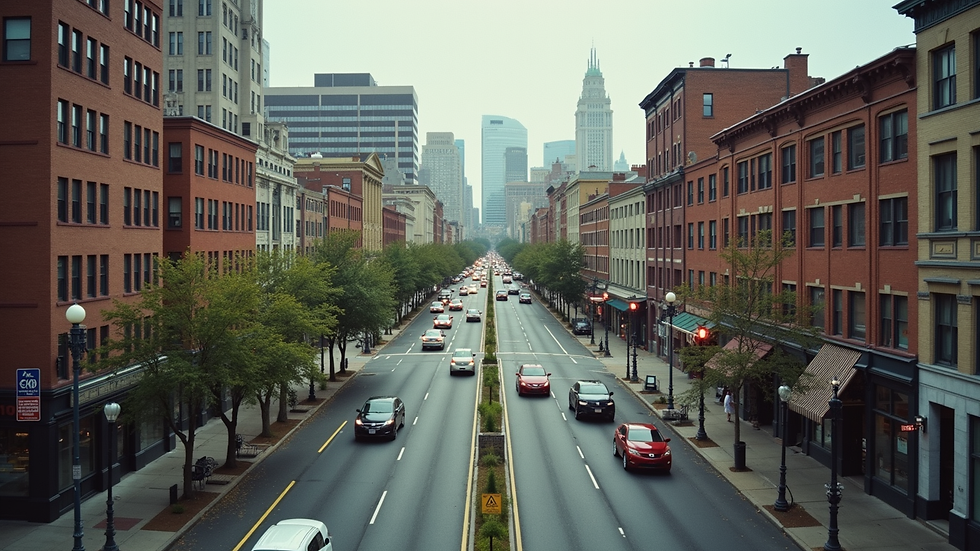
After World War II, Georgia Avenue saw significant changes. The rise of cars meant the street had to adapt. Roads were widened, and traffic increased. The corridor became a major route for drivers heading in and out of the city.
During this time, Georgia Avenue also became a center for African American culture and business. Many Black-owned shops, restaurants, and churches thrived here. The corridor was a place where community life flourished despite the challenges of segregation and economic shifts.
One example of the corridor’s community spirit is the annual Georgia Avenue Day festival. It celebrates local culture, music, and food, bringing people together to honor the neighborhood’s history and future.
Modern Changes and Revitalization
In recent decades, Georgia Avenue has gone through revitalization efforts. City planners and local groups have worked to improve safety, beautify the street, and support new businesses. These efforts aim to keep the corridor vibrant and welcoming for residents and visitors.
One way the corridor has adapted is by welcoming new services that fit the busy lives of people who live and work here. For example, quick and quality car wash services have become popular along Georgia Avenue. Drivers appreciate fast, reliable options that keep their cars clean without wasting time.
A great example is Express Car Wash, which offers a full-service wash experience with friendly service. It’s perfect for busy drivers who want that old-school shine without the wait. This kind of service fits right into the corridor’s fast-paced lifestyle and helps keep the area looking sharp.
Transportation and Connectivity
Georgia Avenue remains a key transportation route. It connects to major highways and public transit lines, including Metro stations. This makes it easy for people to get around the city and beyond.
The corridor also supports bike lanes and pedestrian-friendly spaces. These improvements encourage healthier, more sustainable travel options. They help reduce traffic congestion and make the street safer for everyone.
Community and Culture Today
Today, Georgia Avenue is a mix of old and new. Historic buildings stand alongside modern shops and restaurants. The corridor reflects the city’s diversity and energy.
Local markets, art galleries, and music venues add to the area’s charm. The corridor is a place where history meets progress, and community ties remain strong.
For drivers, the corridor offers more than just a route. It’s a place to stop, shop, and connect. Services like Express Car Wash show how businesses here understand the needs of busy people who want quality and speed.
Looking Ahead
The future of Georgia Avenue looks bright. Plans for further improvements include better public transit, more green spaces, and support for local businesses. These changes will help the corridor stay a vital part of Washington DC’s life.
As the city grows, Georgia Avenue will continue to serve as a key link between neighborhoods. It will keep evolving to meet the needs of its residents and visitors.
For anyone driving through or living near the corridor, it’s clear that Georgia Avenue is more than just a street. It’s a living part of the city’s story, full of history and promise.
Why Georgia Avenue Matters to Drivers
If you drive in Washington DC, you know how important it is to have reliable services along your route. Georgia Avenue offers just that. From quick stops to quality care for your car, the corridor supports busy lives.
For example, a fast, full-service car wash like Express Car Wash fits perfectly into a driver’s schedule. It’s easy to get in and out, and your car looks great afterward. This kind of service keeps the corridor moving smoothly and helps drivers feel good about their ride.
Final Thoughts
Georgia Avenue is a street with a story. It grew from a simple road to a bustling corridor full of life and culture. It has faced challenges and changes but remains a vital part of Washington DC.
Whether you’re interested in history, community, or just need a quick car wash, Georgia Avenue has something to offer. It’s a place where the past and present meet, and where busy drivers can find services that keep their day on track.
Next time you drive down Georgia Avenue, take a moment to appreciate its history and the people who keep it alive. And if your car needs a quick shine, consider stopping by a trusted local spot like Express Car Wash. It’s a small way to connect with the corridor’s spirit of quality and care.

This post highlights the rich history and ongoing vitality of the Georgia Avenue corridor. It also shows how modern services like Express Car Wash fit naturally into the busy lives of drivers here, blending history with convenience.


Comments